Executing Special-Occasion and Event Styles: A Technique Guide
Special-occasion bookings — weddings, galas, formal parties, and other event work — reward a different kind of preparation than a standard cut-and-style appointment. Clients expect a look that holds under photography, lasts through hours of movement, and matches a specific dress or venue. This guide covers the core techniques behind three request categories that dominate event bookings: updos, sleek blowouts, and glam waves.
Reading the Brief Before You Touch a Section
Event styling starts with a longer consultation than a routine appointment. Ask about the event's duration, the venue (indoor versus outdoor, humidity, heat), the outfit's neckline, and how much movement the client expects during the day. A style built for a seated dinner needs less structural reinforcement than one that has to survive dancing until midnight. Photograph the finished look from multiple angles before the client leaves — it gives you a reference for touch-ups and a record for future bookings.
Updos: Building a Style That Holds
An updo's staying power comes from the foundation, not the finish. Before any styling begins, the hair should be prepped with a base of texture — dry shampoo or a texturizing spray on freshly washed hair gives pins something to grip that clean, freshly conditioned strands do not.
- Section methodically and work from the nape upward. Building from the bottom prevents loose ends from being buried under finished sections.
- Backcomb sparingly at the crown for lift, then smooth the top layer over the backcombed section so the texture supports the shape without showing.
- Cross-pin rather than parallel-pin. Crossed pins create tension in two directions and resist slipping far longer than pins placed in a single line.
- Leave face-framing pieces until last, and set them with a cool shot from the dryer after curling to lock the shape before the client stands up.
- Finish with a flexible-hold spray rather than a stiff one. Flexible hold survives hours of movement without turning brittle or flaking under lights.
Sleek Blowouts: Precision Over Volume
A sleek blowout for an event needs more discipline than an everyday version. The objective is a smooth, reflective surface that photographs well and resists frizz for the full length of the booking.
- Work in smaller sections than usual. Smaller sections mean more consistent tension and a flatter cuticle across the whole head.
- Use a round brush with a fully sealed barrel to avoid snagging strands mid-section, which is what typically introduces flyaways.
- Direct airflow down the hair shaft, following the brush, to close the cuticle and build shine rather than roughen it.
- Apply a light anti-humidity serum before blow-drying, not after — sealing the cuticle before styling holds up better than trying to correct frizz afterward.
- Finish with a boar-bristle brush pass to distribute natural oils and knock down any remaining texture without adding unwanted volume.
Glam Waves: Controlled, Not Casual
Event waves are more deliberate than everyday beach waves — the curls need to be uniform enough to read as intentional from across a room, while still moving naturally.
- Curl away from the face in the front sections and alternate direction through the crown to avoid a uniform, wig-like pattern.
- Use a consistent barrel size throughout, and pin each curl in place as you release it so it sets in the cooled position rather than dropping while warm.
- Once the whole head is curled and cooled, brush through gently with a wide-tooth comb or fingers to merge the curls into connected waves rather than isolated ringlets.
- Set the finished wave pattern with a medium-hold spray, applied in sections rather than in one pass over the top, so the underlayers hold as well as the visible surface.
Building Longevity Into Every Technique
Across all three categories, the details that separate an event style from a daytime one are the same: heat protection before any hot tool, a setting stage before finishing product, and a final check under the kind of light the client will actually be in. A style checked only under salon lighting can behave differently under venue lighting or flash photography, so a quick assessment near a window or bright light before the client leaves is worth the extra minute.
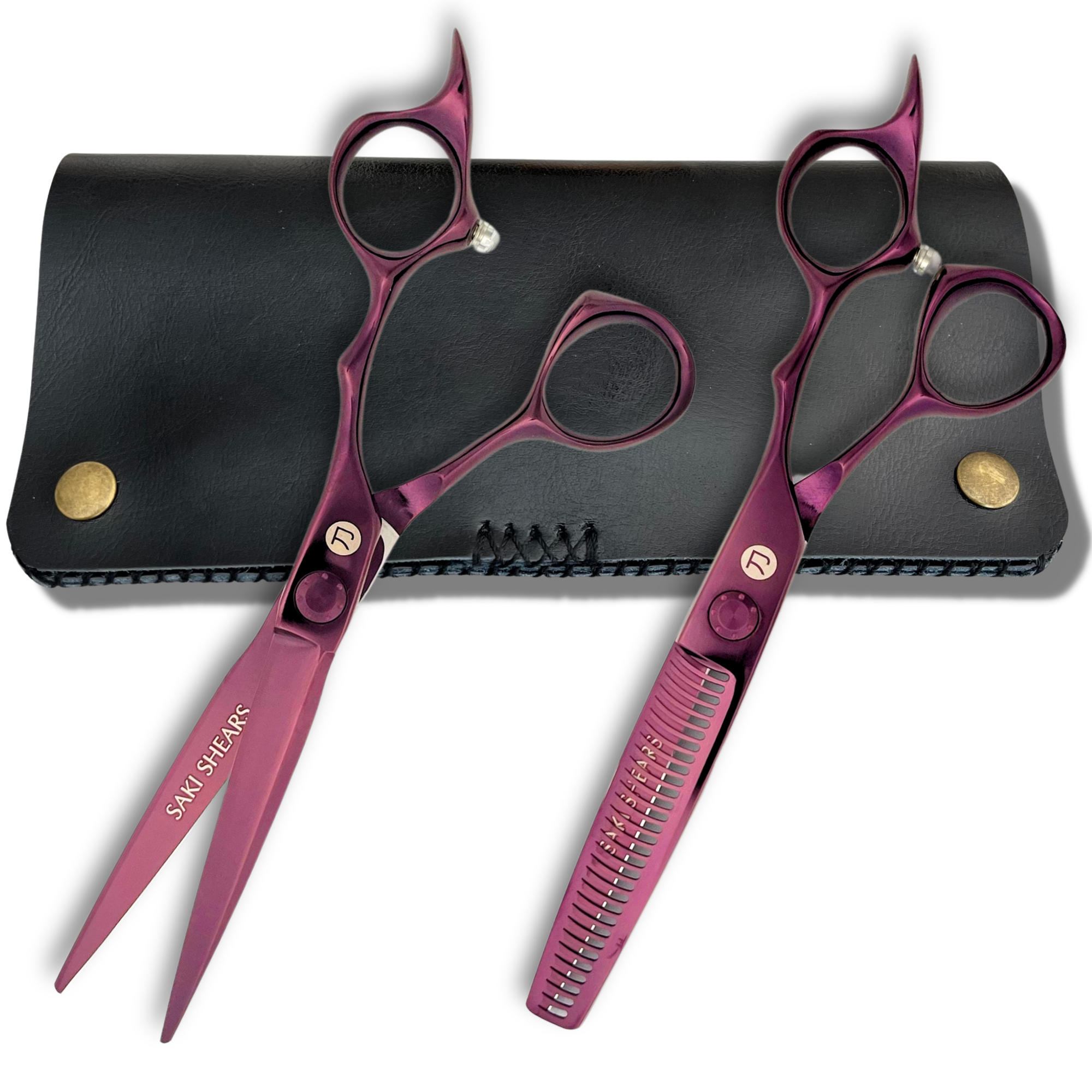
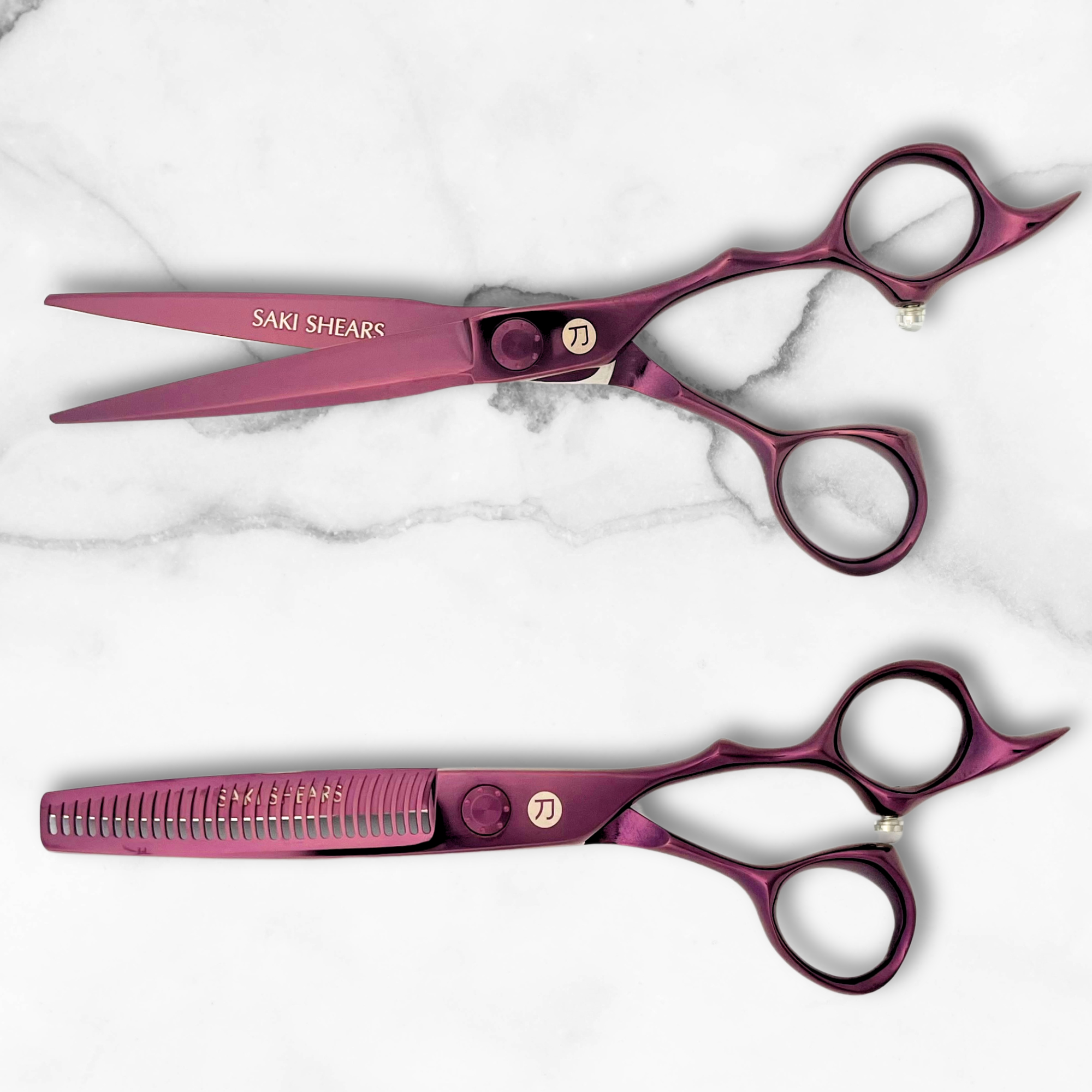
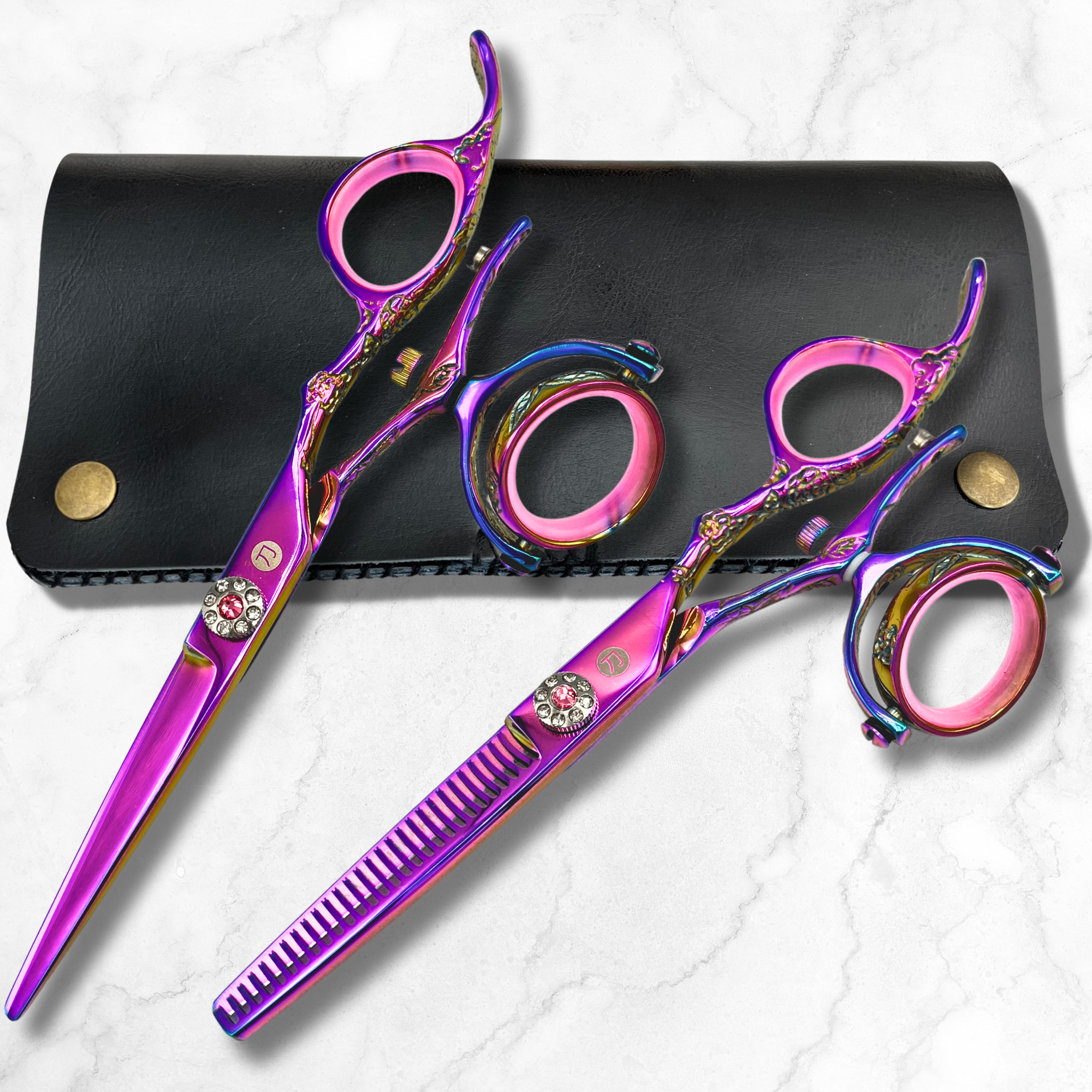
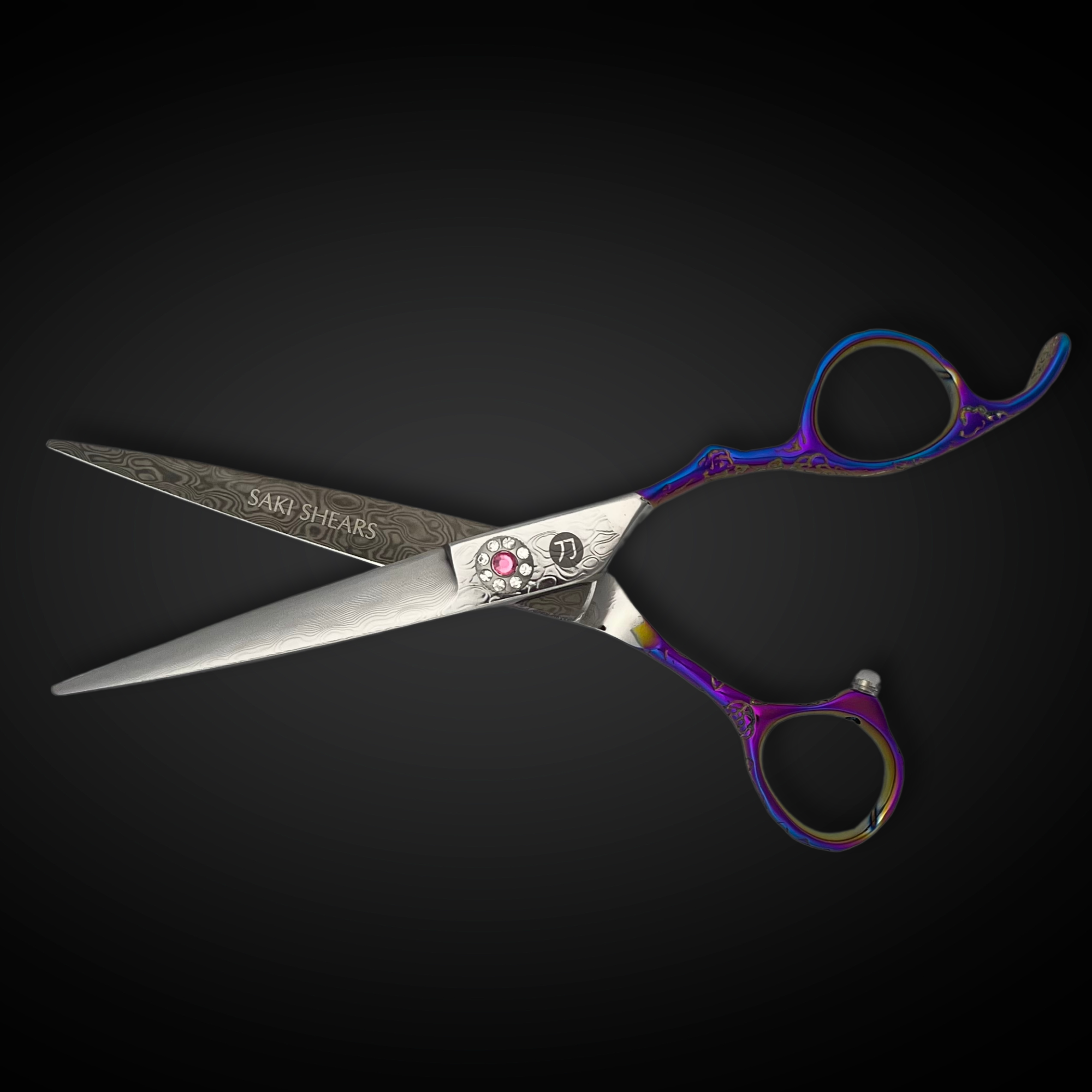
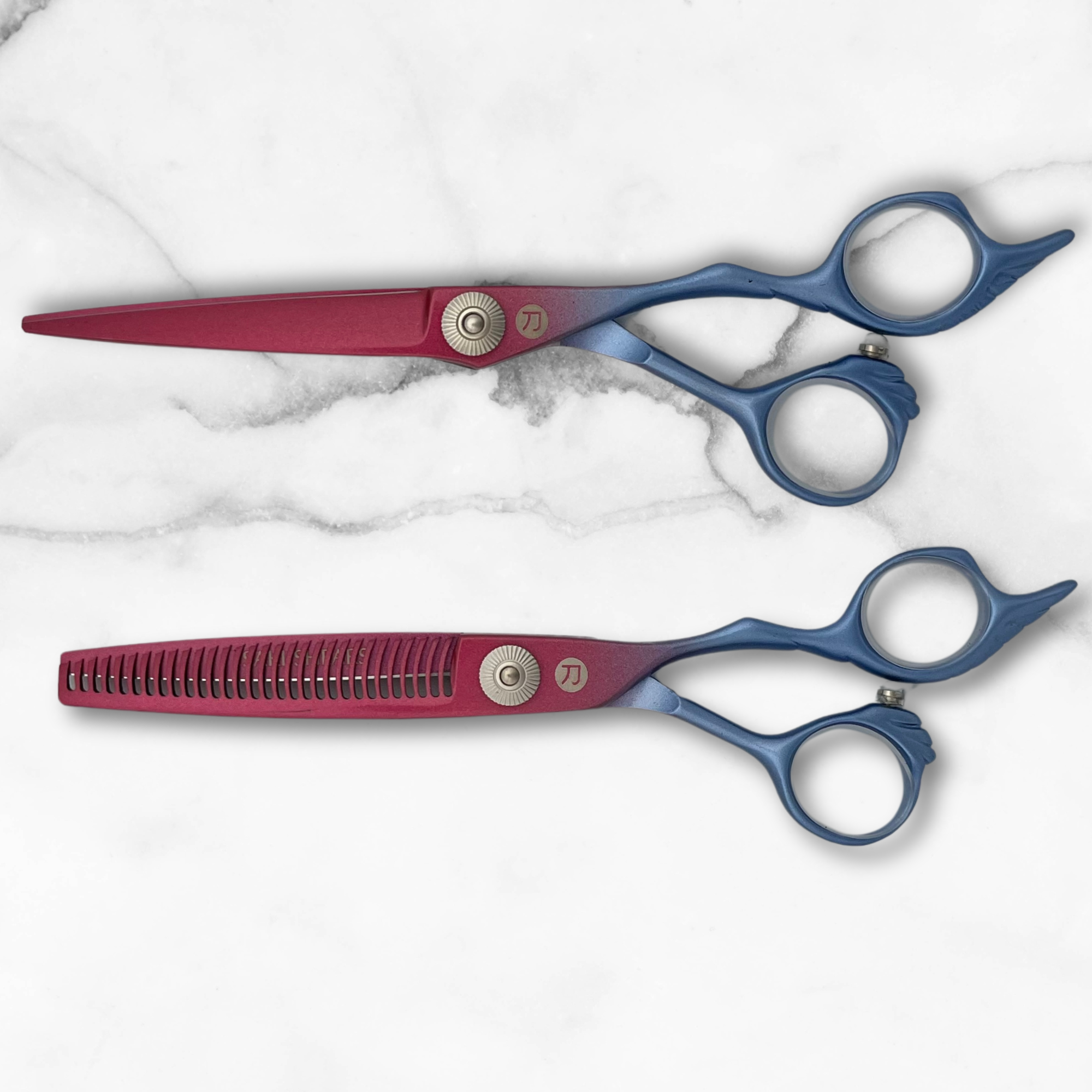
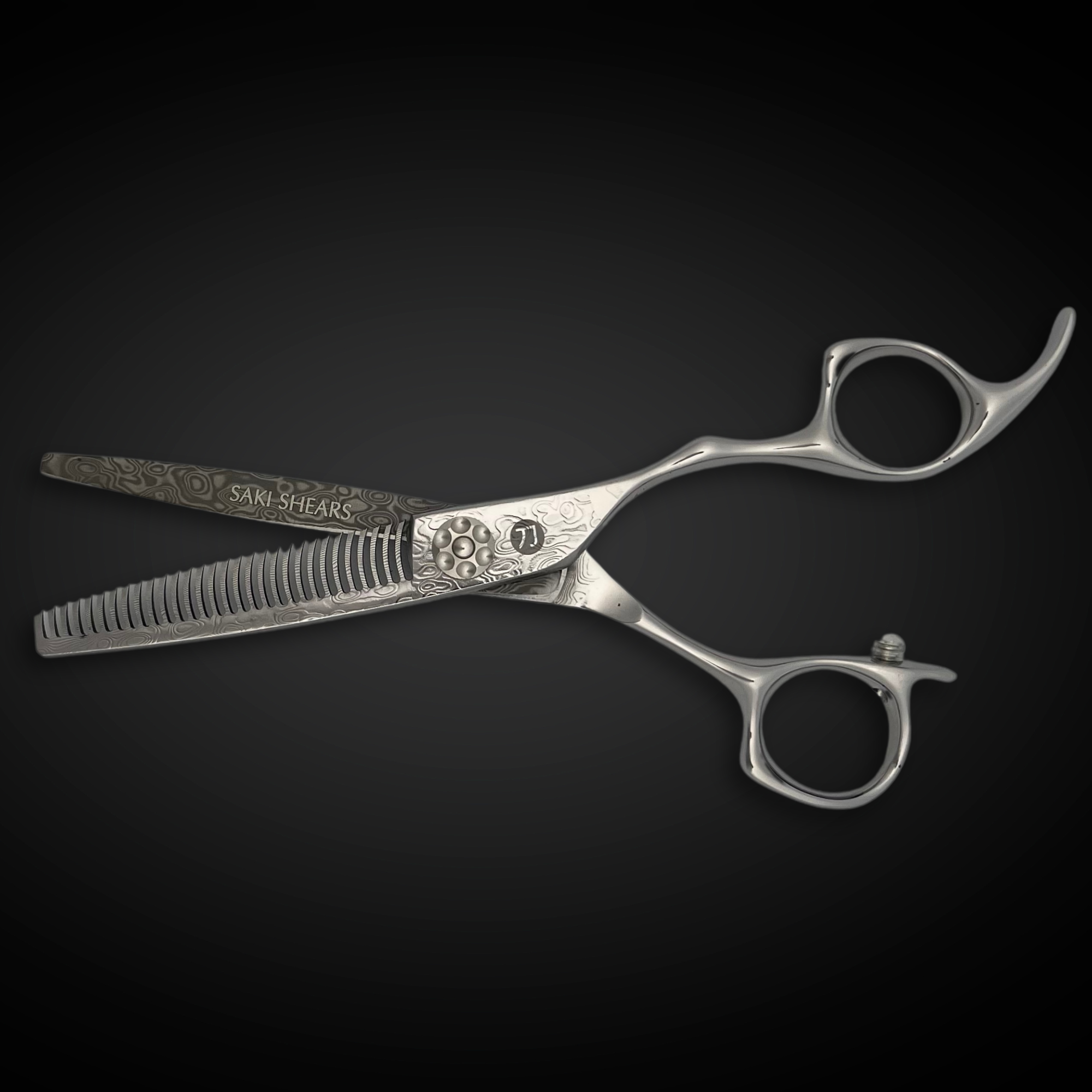
Tool quality also matters more here than in routine styling — a well-maintained set of clippers and trimmers for clean edges around updos, or precise cutting shears for last-minute shaping before a special-occasion style, gives you the control these techniques depend on. Consistent results on event days come down to the same fundamentals as any other appointment: a clear plan, disciplined technique, and tools that perform the same way every time you pick them up.

Written by Charles Harris