Hairstyling and Barbering Trends That Defined the 2000s
The 2000s: A Decade That Reset the Rules on Cutting and Texture
The 2000s were a turning point for hairstyling and barbering, not because of any single celebrity stylist, but because of a set of technical and cultural shifts that changed what clients asked for and what professionals needed to be able to deliver. Reality television, the rise of digital photography and early social platforms, and a broader shift toward "undone" styling all pushed the industry away from rigid, uniform looks and toward texture, movement, and individualized cutting. This is a look at the major trends of the decade and what they still mean for a working stylist's technique and toolkit.
The Rise of Texture and the "Undone" Look
Through the 1990s, smooth, uniform finishes dominated. In the 2000s, that gave way to deliberately textured, piece-y styles: choppy layers, disconnected pieces, and finishes that looked effortless even when they took real skill to execute. This shift put texturizing shears and slide-cutting technique at the center of everyday salon work rather than treating them as a specialty skill. A stylist who could create movement and separation within a cut - not just length and shape - had a real advantage during this period, and that skill set remains a baseline expectation today.
Precision Cutting Meets Editorial Influence
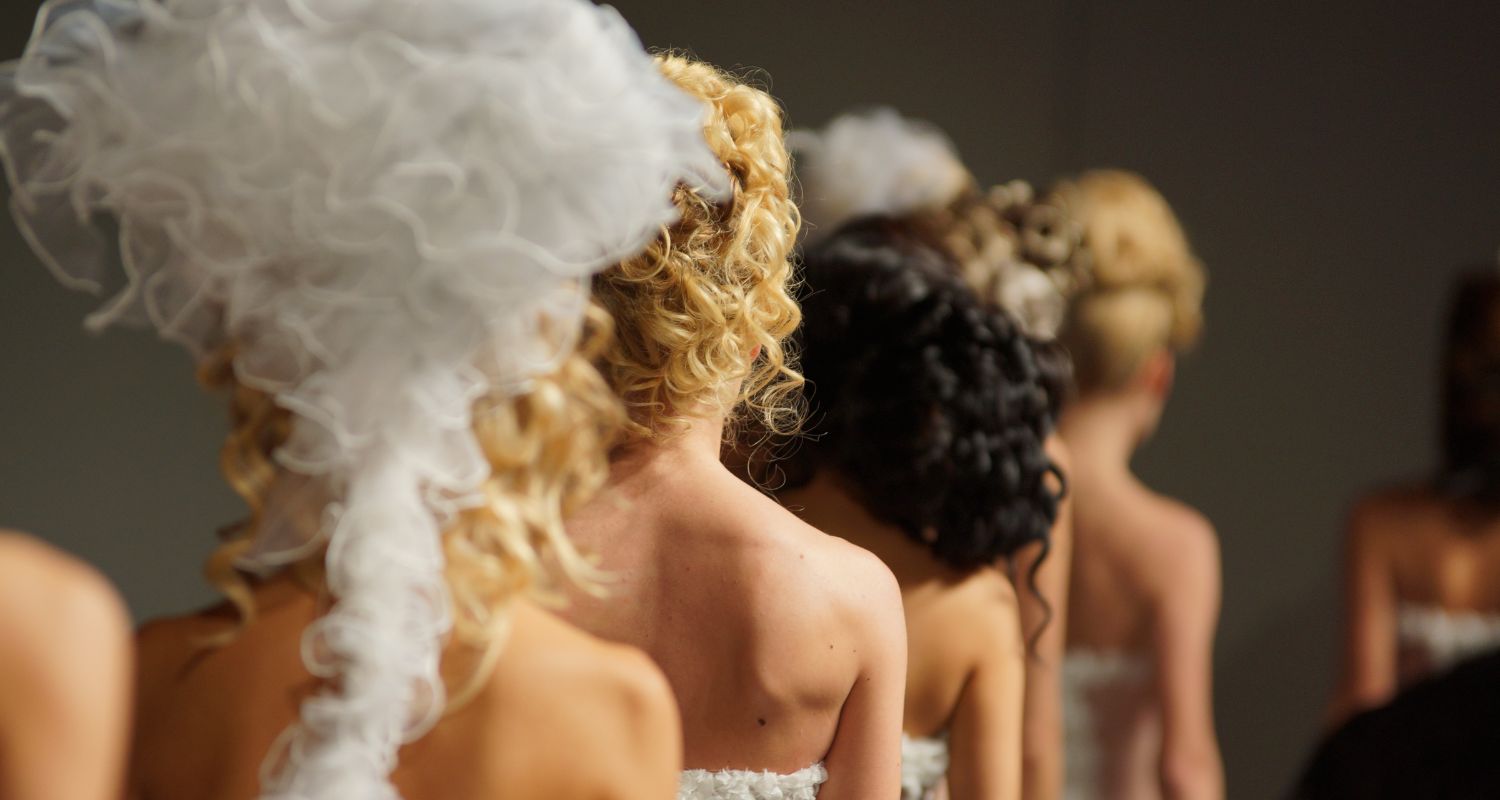
At the same time texture was rising, there was a parallel return to sharp, geometric precision cutting in editorial and red-carpet work, which filtered down into mainstream salons within a season or two. Clients increasingly brought in photos and asked for a specific, replicable shape rather than a general style category. This raised the bar for consistency: a precision cut has to be exact on both sides and hold its line through multiple washes, which put more emphasis on sectioning discipline, even tension, and a sharp, well-maintained edge on the shears doing the work.
Color and Cut as a Single Decision
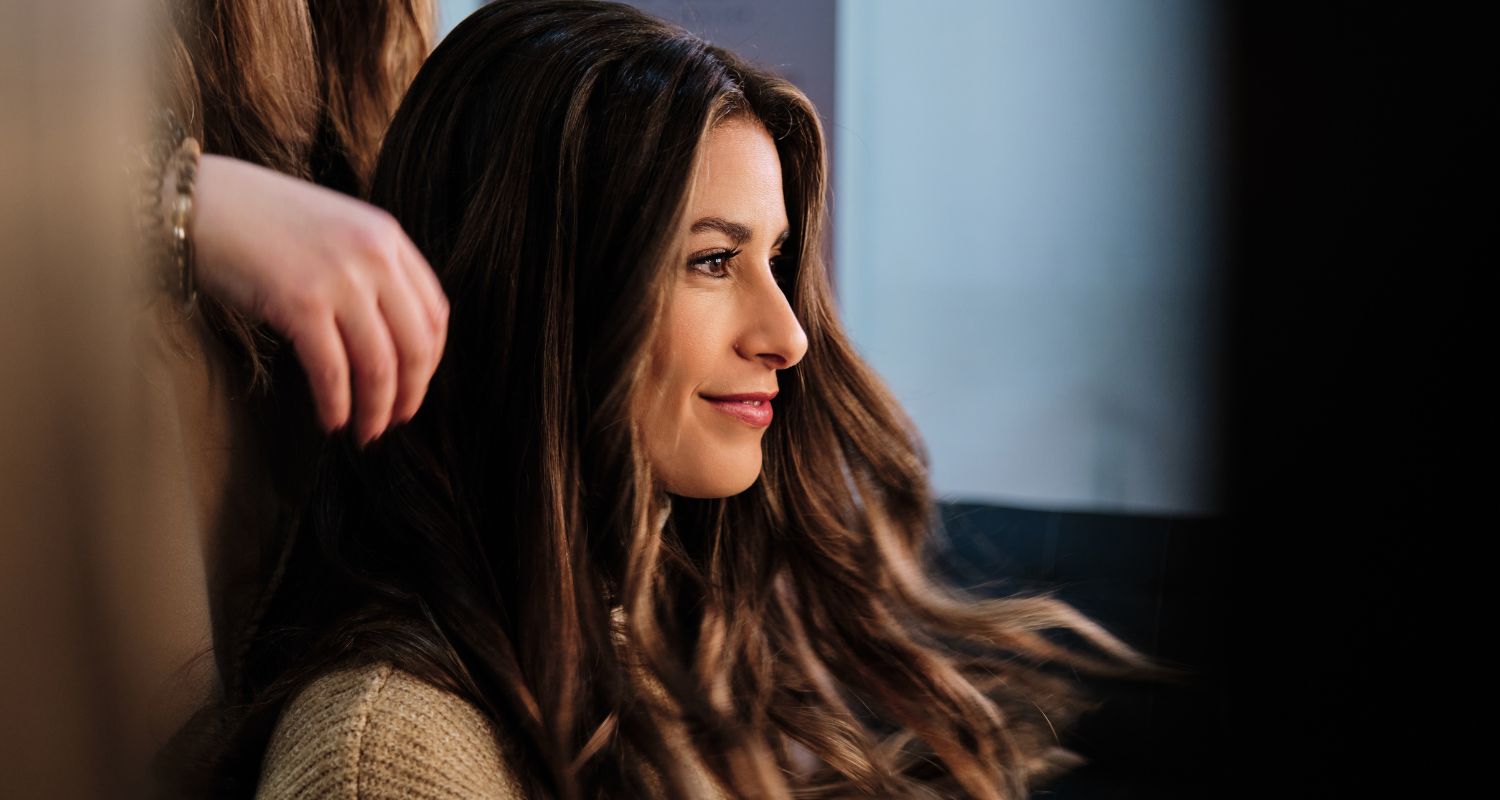
The 2000s also saw color and cut become more tightly linked in client consultations. Techniques like heavy face-framing highlights and later balayage-style placement were planned alongside the cut rather than after it, since where layers fell changed how color would read. For stylists, this meant cutting decisions increasingly had to account for how a finished color pattern would move with the haircut, not just how the silhouette looked in isolation.
Men's Grooming and the Barbershop Revival Begins
The seeds of the barbershop revival that fully bloomed in the following decade were planted in the 2000s, as men's grooming became a more visible, separate category rather than an afterthought of unisex salons. Clipper-over-comb and scissor-over-comb techniques saw renewed attention, and clean, defined shapes at the neckline and hairline became a differentiator for barbers. This period is part of why modern barbering education treats shear work as a core skill alongside clipper work, rather than optional.
Reality TV and the Democratization of Technique
Makeover and styling-focused television programming brought cutting and coloring techniques into mainstream view in a way they hadn't been before, giving clients a much larger working vocabulary for what they wanted. This raised expectations across the board: clients arrived with more specific requests and more awareness of technique names, which pushed stylists to be fluent in a wider range of methods and to explain their technical choices more clearly during consultations.
What the 2000s Set Up for Today
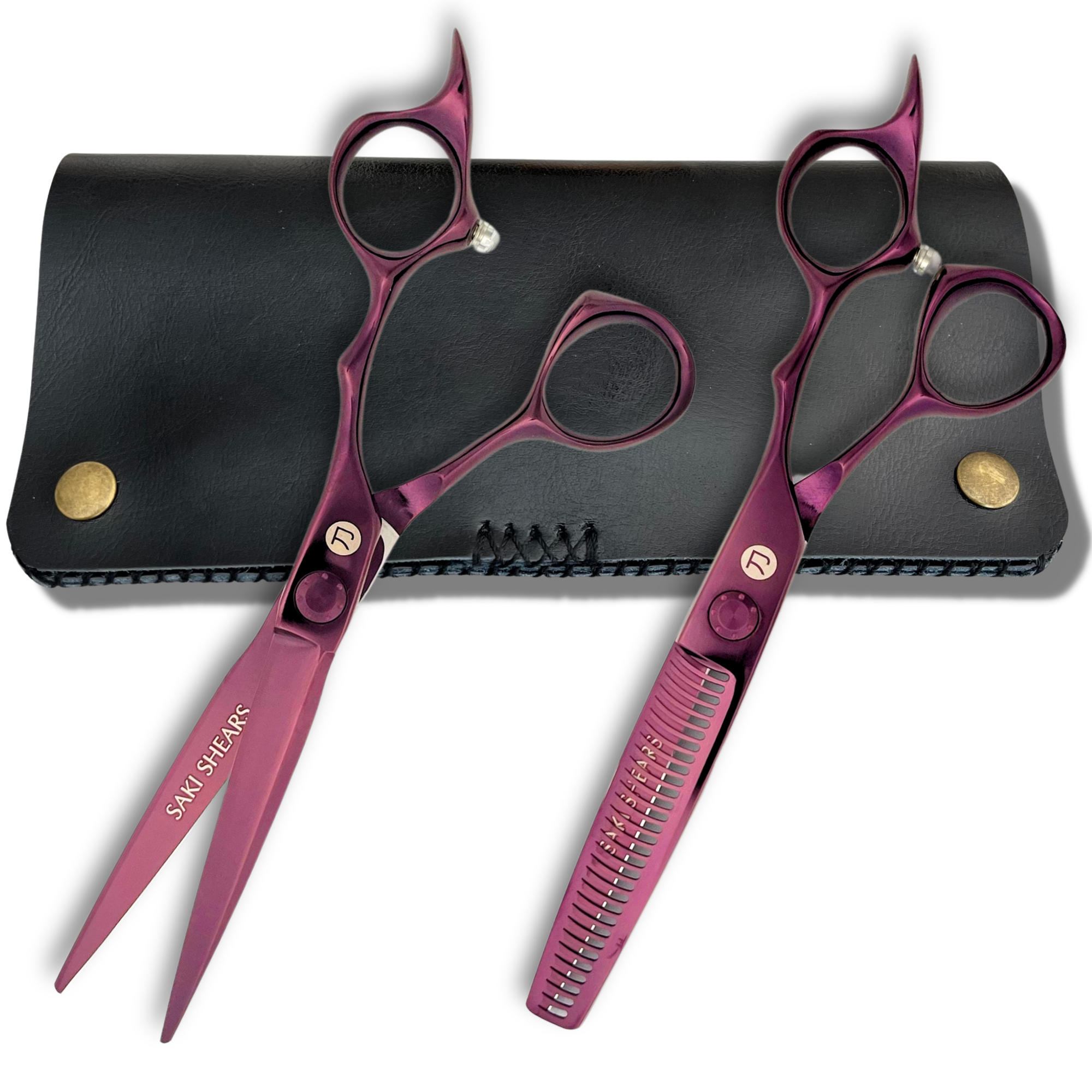
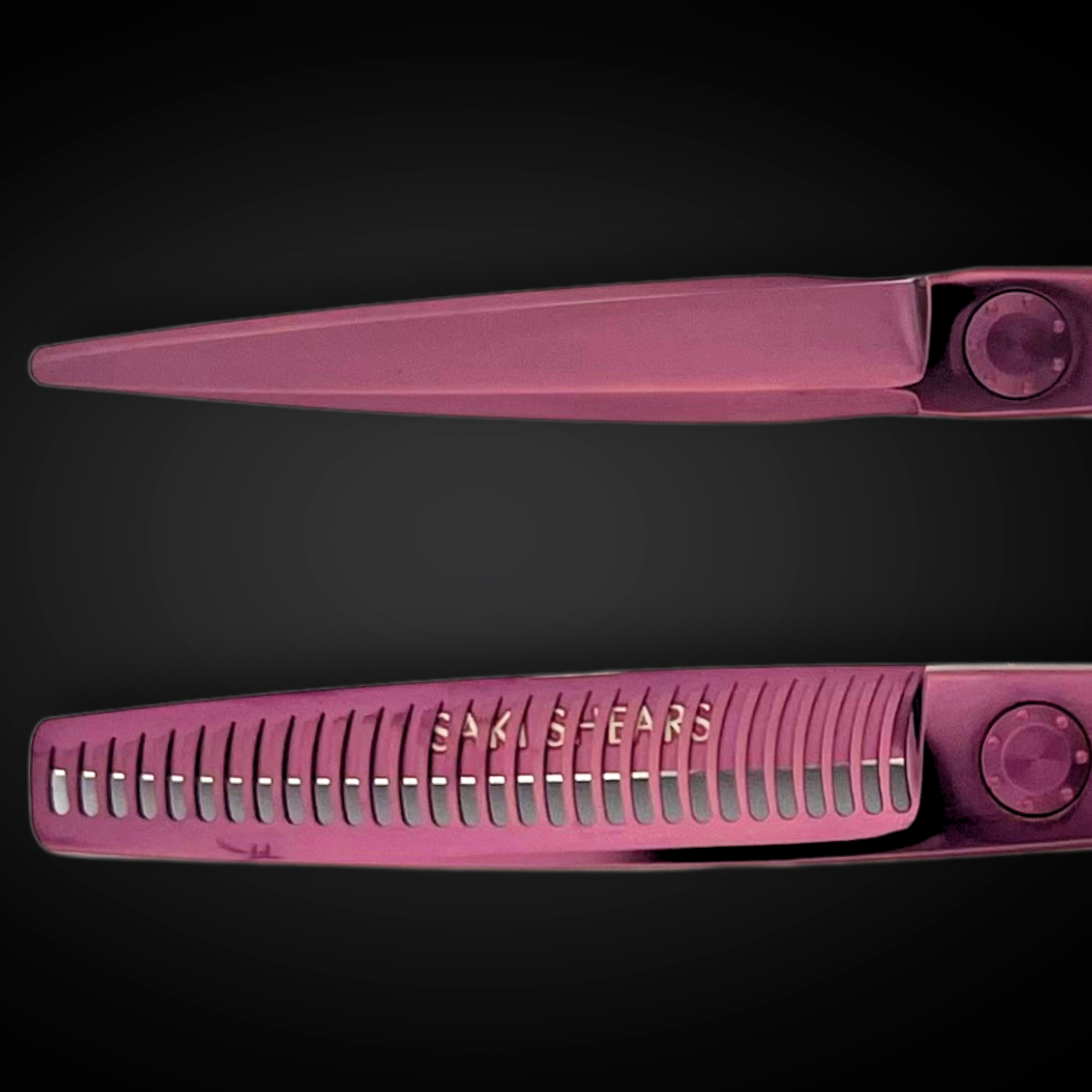
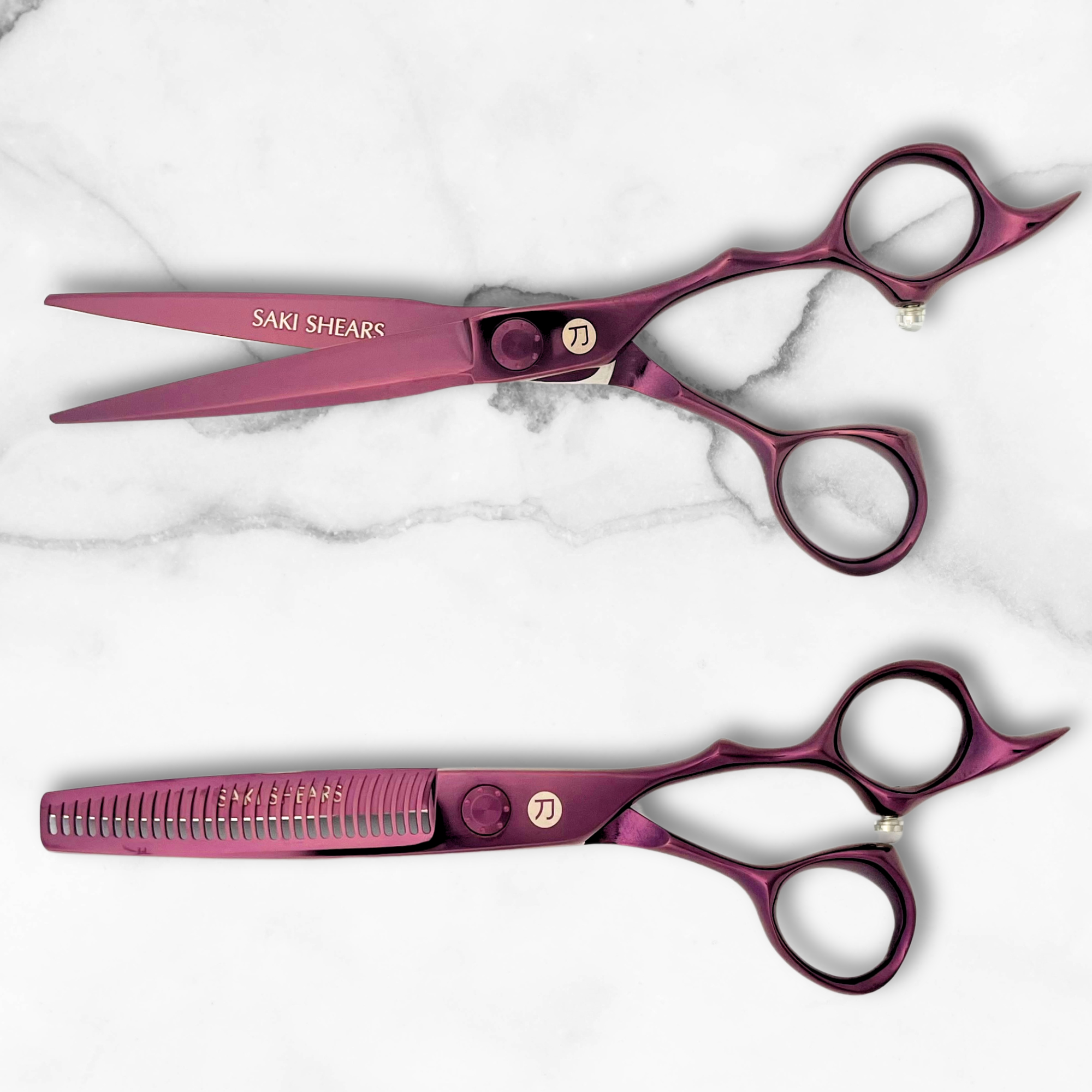
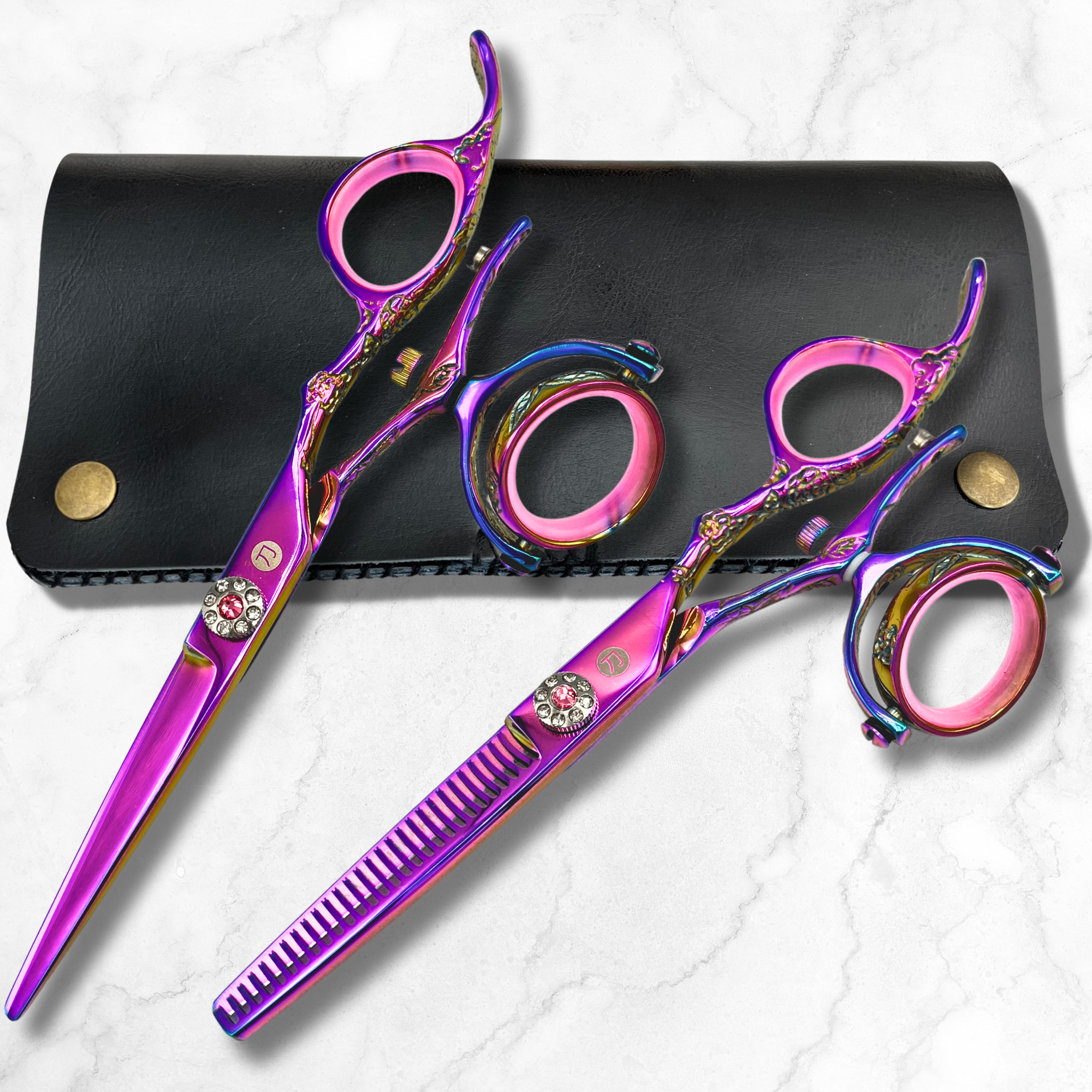
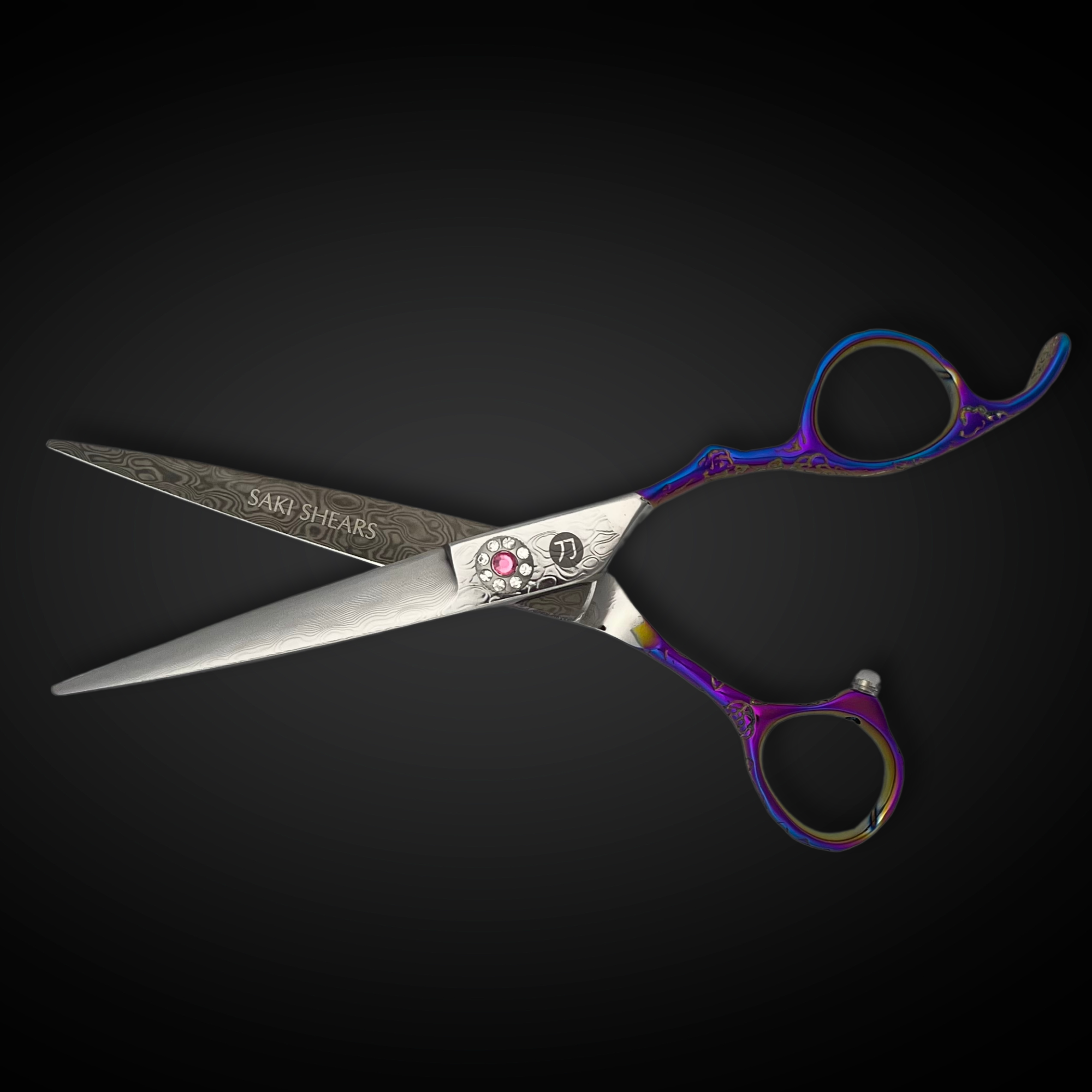
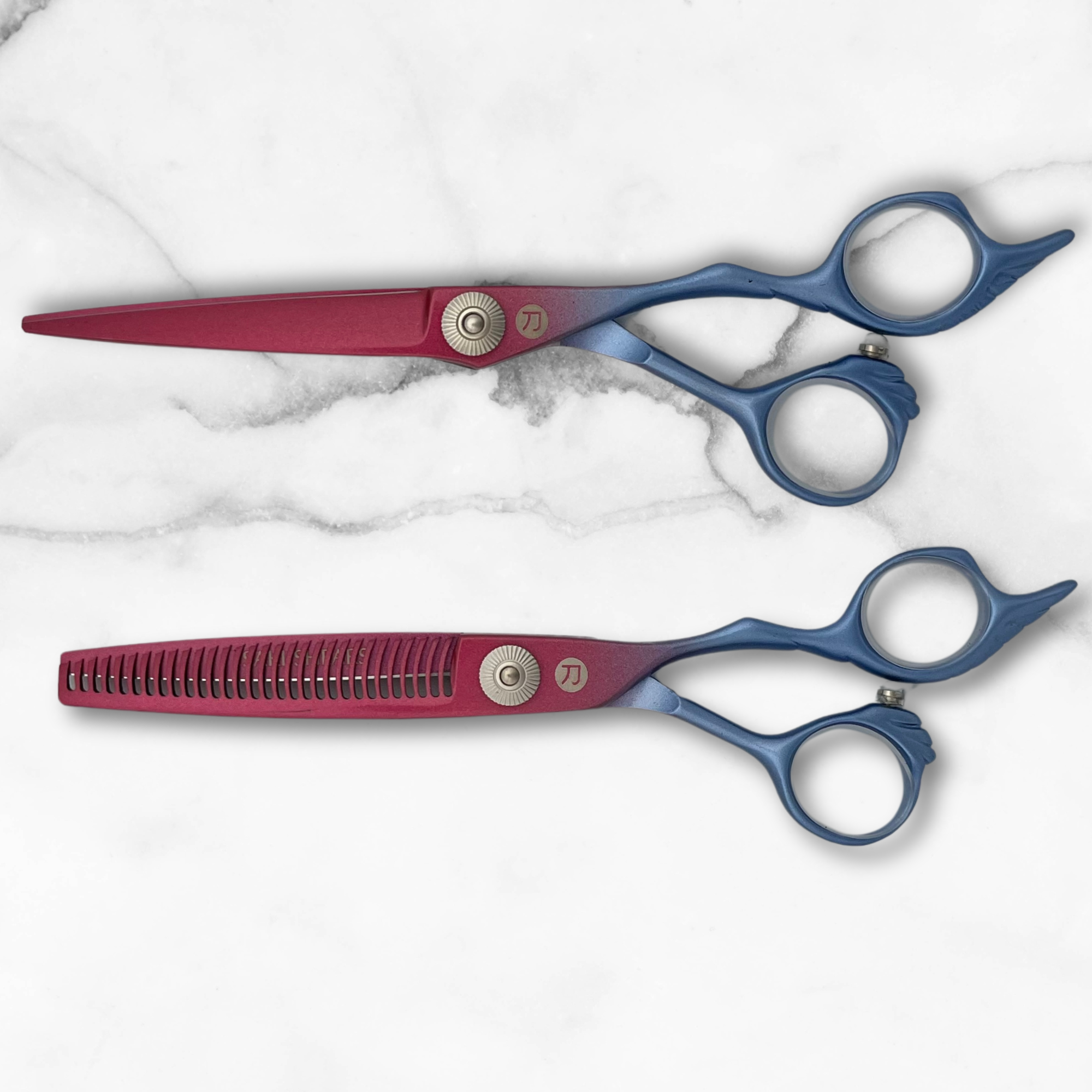
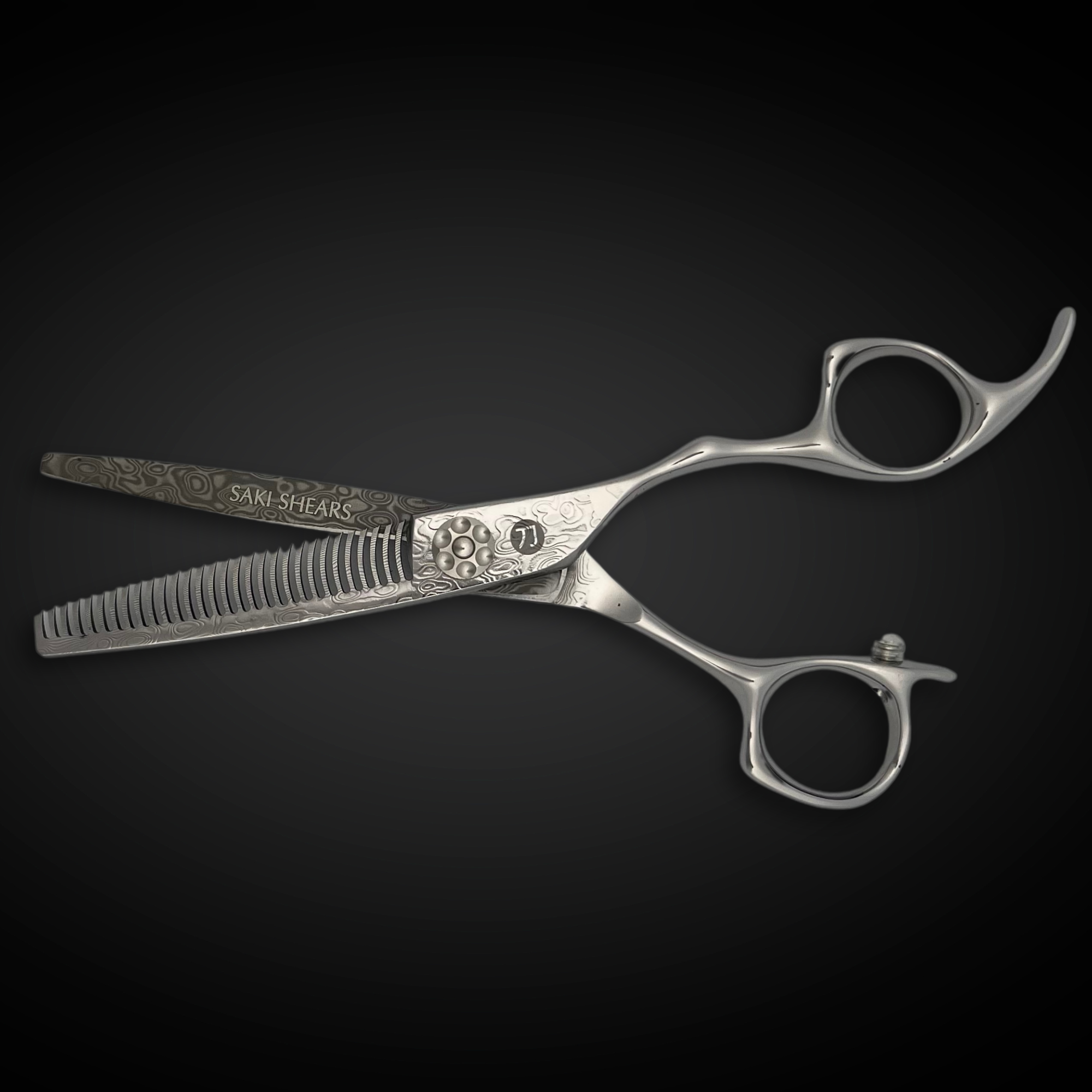
Most of what feels standard in a modern salon or barbershop - texturizing as a default step, tight coordination between cut and color, precision work treated as a baseline rather than a specialty, and men's grooming as its own serious category - has roots in shifts that took hold during the 2000s. The technical demands of that decade are part of why a well-built shear set matters: texturizing shears that create movement without over-thinning, cutting shears precise enough to hold a sharp line, and blades that stay sharp through the volume of detailed work that became standard.
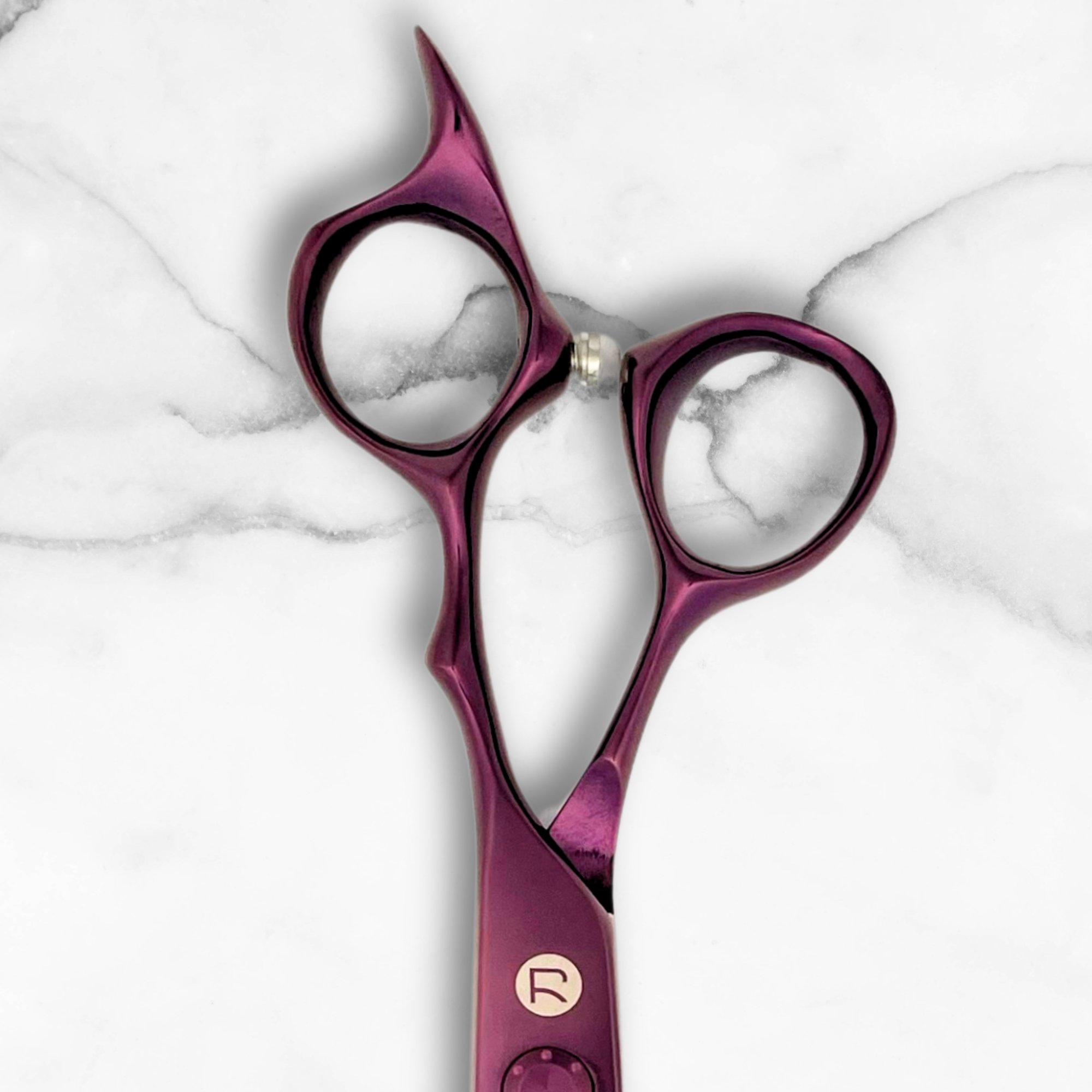
If your current kit hasn't kept pace with the technique demands built up since then, Saki Shears' hair shear sets are built to cover both precision cutting and texturizing work in one coordinated set.
Closing Thought
The 2000s didn't invent texture, precision cutting, or men's grooming, but the decade is where these became mainstream, everyday expectations rather than niche specialties. Understanding that history is useful mainly because it explains why today's baseline technical standard is as high as it is - and why the tools behind that standard matter as much as the technique itself.

Written by Charles Harris